Advertisers

CPC Media Buying: Where’s The Best Place to Buy?

Patrick Brady

Updated On:

April 15, 2026

​Buying traffic on a cost-per-click model sounds simple, yet results vary widely depending on quality, intent, and placement context. CPC ads attract attention because you only pay for clicks, but not every click delivers real engagement or performance value.

Choosing the right platforms for CPC ads determines whether traffic converts, sticks around, or disappears after a single page view. Knowing where quality clicks actually come from helps you scale campaigns without wasting budget or hurting long-term performance.

​Where Can You Buy CPC Ads Today?

Advertisers can buy cpc ads across search platforms, social networks, native advertising networks, and content discovery marketplaces. Each channel offers different levels of intent, traffic quality, and control, which directly affect performance outcomes. Platforms like RevContent sit within native environments, offering scalable reach while prioritizing engagement and brand-safe placements.

​The Most Common Places To Buy CPC Ads

CPC ads appear across many platforms, but traffic quality, intent, and scalability vary widely between channels. Some platforms capture high-intent searches, while others focus on discovery and awareness-driven engagement. Choosing the right mix determines whether clicks turn into performance or wasted ad spend.

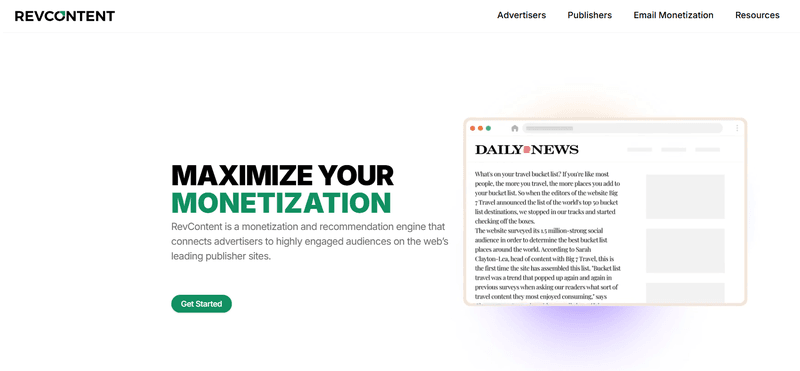
  • RevContent: Native placements reach users as they actively consume content, supporting stronger engagement and cleaner performance signals.
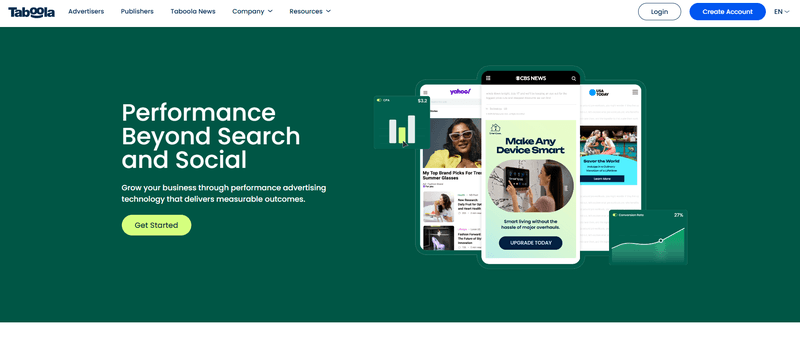
  • Taboola: Content recommendation units deliver scale across large publisher networks, often favoring awareness and upper-funnel discovery traffic.
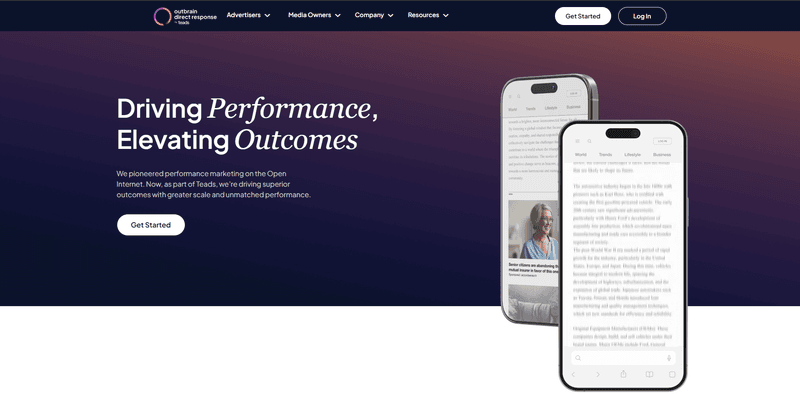
  • Outbrain: Publisher-focused native inventory emphasizes brand-safe environments and editorial-style placements across premium sites.
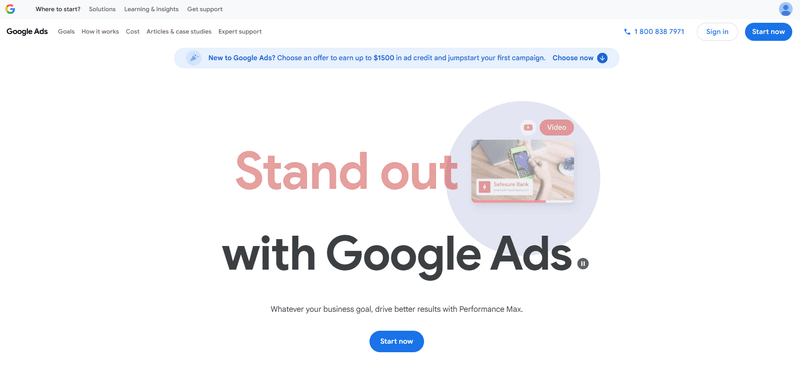
  • Google Ads: Search-driven CPC ads capture intent at the moment of demand, but competition often drives higher costs.
  • Facebook Ads: Social CPC ads rely on audience targeting and creative performance rather than direct search intent.

Each platform serves a different purpose depending on campaign goals, budget tolerance, and performance expectations. Strong results usually come from matching intent level and placement context with the right traffic source.

Diversifying CPC ads across discovery, search, and social channels helps balance scale, cost control, and long-term performance growth.

​1. RevContent

CPC ads revcontent

Native advertising performs best when ads appear inside content environments where attention already exists. CPC ads delivered through native placements reach users during active-reading moments rather than interrupting their intent. Performance improves because clicks come from discovery and relevance, not forced exposure.

Traffic quality stays stronger when campaigns run inside brand-safe publisher environments with consistent editorial standards. CPC ads benefit from cleaner engagement signals, which makes optimization decisions easier and reporting more reliable. You gain control without sacrificing scale or user experience.

Native advertising through RevContent fits advertisers who want CPC ads that balance reach, engagement, and long-term performance. You scale by expanding high-quality placements rather than chasing volume, which weakens results.

Campaigns work best when relevance leads, and user experience stays intact.

​2. Taboola

Taboola shows ads on big websites where people read news and stories. CPC ads here focus on getting attention and helping people discover something new.

Most clicks come from curiosity, not strong buying intent. Headlines and images matter a lot because readers decide fast whether to click.

You need to watch placements closely to avoid low-quality traffic. Testing new headlines often helps improve engagement and results.

Taboola works best when your goal is reach and awareness. Results improve when you prioritize exploration over fast conversions.

​3. Outbrain

Outbrain places CPC ads on well-known publisher sites where readers already trust the content. Native placements blend into article pages, helping ads feel less distracting and more natural. Clicks usually come from interest in related topics rather than active buying intent.

Traffic quality depends heavily on creative choices and placement controls within campaigns. Simple headlines and clear value tend to perform better with discovery-based audiences. Optimization takes time because engagement grows as content more closely matches the reader's interests.

Outbrain works well when you want brand-safe reach and steady discovery traffic. Strong results come from patience, testing, and realistic performance expectations.

​4. Google Ads

Google Ads focuses on search intent, which means people click because they are already looking for something specific. CPC ads here work well when keywords match real needs, and landing pages deliver clear answers. Strong intent often leads to faster results compared to discovery-based platforms.

Competition plays a big role in performance because many advertisers bid on the same keywords. Costs can rise quickly when demand is high, especially in crowded industries. Careful keyword selection helps protect the budget and the quality of traffic.

Google Ads works best when you want direct intent and clear tracking. Results improve when campaigns stay focused and avoid chasing every possible search term.

5. Facebook Ads
cpc ads fb

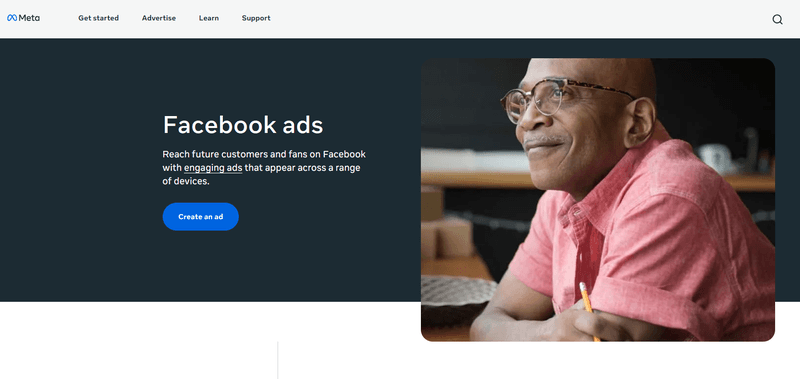
Facebook Ads reach people while they scroll feeds and interact with content from friends and brands. CPC ads rely more on audience targeting and creative than search intent. Visuals and messaging decide whether someone stops and clicks.

Traffic often comes from interest and curiosity instead of immediate buying needs. Performance improves when ads match audience behaviors and feel natural inside the feed. Frequent testing helps find messages that resonate.

Facebook Ads fit campaigns focused on awareness, engagement, and early consideration. Strong outcomes come from clear targeting and realistic expectations around conversion timing.

​Which Platform Is Best For Buying CPC Ads?

The best place to buy CPC ads depends on your goal, your budget, and how much control you want over traffic quality. Search platforms work well for strong intent, while social platforms help with reach and awareness. Native platforms are a good fit when you want a balance among scale, engagement, and brand safety.

If your goal is fast intent capture, search can make sense, but competition often raises costs quickly. Social platforms help you reach large audiences, though clicks may need more time to turn into results. Native advertising sits in the middle, reaching users while they read and explore content naturally.

For advertisers focused on steady performance, data-driven ads, and scalable discovery, native advertising often fits best. Platforms like RevContent support CPC ads that align with content, protect the user experience, and support long-term goals rather than short-term clicks.

​Find The Right CPC Strategy For Long-Term Growth

Choosing where to buy CPC ads depends on intent, control, and the quality of traffic in support of long-term performance goals. Search, social, and native platforms each serve different purposes based on budget tolerance and campaign objectives. Strong outcomes come from aligning placement context with how audiences naturally discover and engage with content.

Native advertising often delivers the best balance between scale, engagement, and brand safety for sustainable CPC performance. RevContent helps you run CPC ads inside trusted content environments that protect user experience and improve optimization clarity. Connect with us to build a CPC strategy that scales growth without sacrificing quality.

Let's Get Connected

Have a question or need support? Our team is here to assist you.
Reach out, and we'll get back to you as soon as possible.

Get in Touch

CPC Media Buying: Where’s The Best Place to Buy?

​Buying traffic on a cost-per-click model sounds simple, yet results vary widely depending on quality, intent, and placement context. CPC ads attract attention because you only pay for clicks, but not every click delivers real engagement or performance value.

Choosing the right platforms for CPC ads determines whether traffic converts, sticks around, or disappears after a single page view. Knowing where quality clicks actually come from helps you scale campaigns without wasting budget or hurting long-term performance.

​Where Can You Buy CPC Ads Today?

Advertisers can buy cpc ads across search platforms, social networks, native advertising networks, and content discovery marketplaces. Each channel offers different levels of intent, traffic quality, and control, which directly affect performance outcomes. Platforms like RevContent sit within native environments, offering scalable reach while prioritizing engagement and brand-safe placements.

​The Most Common Places To Buy CPC Ads

CPC ads appear across many platforms, but traffic quality, intent, and scalability vary widely between channels. Some platforms capture high-intent searches, while others focus on discovery and awareness-driven engagement. Choosing the right mix determines whether clicks turn into performance or wasted ad spend.

  • RevContent: Native placements reach users as they actively consume content, supporting stronger engagement and cleaner performance signals.
  • Taboola: Content recommendation units deliver scale across large publisher networks, often favoring awareness and upper-funnel discovery traffic.
  • Outbrain: Publisher-focused native inventory emphasizes brand-safe environments and editorial-style placements across premium sites.
  • Google Ads: Search-driven CPC ads capture intent at the moment of demand, but competition often drives higher costs.
  • Facebook Ads: Social CPC ads rely on audience targeting and creative performance rather than direct search intent.

Each platform serves a different purpose depending on campaign goals, budget tolerance, and performance expectations. Strong results usually come from matching intent level and placement context with the right traffic source.

Diversifying CPC ads across discovery, search, and social channels helps balance scale, cost control, and long-term performance growth.

​1. RevContent

CPC ads revcontent

Native advertising performs best when ads appear inside content environments where attention already exists. CPC ads delivered through native placements reach users during active-reading moments rather than interrupting their intent. Performance improves because clicks come from discovery and relevance, not forced exposure.

Traffic quality stays stronger when campaigns run inside brand-safe publisher environments with consistent editorial standards. CPC ads benefit from cleaner engagement signals, which makes optimization decisions easier and reporting more reliable. You gain control without sacrificing scale or user experience.

Native advertising through RevContent fits advertisers who want CPC ads that balance reach, engagement, and long-term performance. You scale by expanding high-quality placements rather than chasing volume, which weakens results.

Campaigns work best when relevance leads, and user experience stays intact.

​2. Taboola

Taboola shows ads on big websites where people read news and stories. CPC ads here focus on getting attention and helping people discover something new.

Most clicks come from curiosity, not strong buying intent. Headlines and images matter a lot because readers decide fast whether to click.

You need to watch placements closely to avoid low-quality traffic. Testing new headlines often helps improve engagement and results.

Taboola works best when your goal is reach and awareness. Results improve when you prioritize exploration over fast conversions.

​3. Outbrain

Outbrain places CPC ads on well-known publisher sites where readers already trust the content. Native placements blend into article pages, helping ads feel less distracting and more natural. Clicks usually come from interest in related topics rather than active buying intent.

Traffic quality depends heavily on creative choices and placement controls within campaigns. Simple headlines and clear value tend to perform better with discovery-based audiences. Optimization takes time because engagement grows as content more closely matches the reader's interests.

Outbrain works well when you want brand-safe reach and steady discovery traffic. Strong results come from patience, testing, and realistic performance expectations.

​4. Google Ads

Google Ads focuses on search intent, which means people click because they are already looking for something specific. CPC ads here work well when keywords match real needs, and landing pages deliver clear answers. Strong intent often leads to faster results compared to discovery-based platforms.

Competition plays a big role in performance because many advertisers bid on the same keywords. Costs can rise quickly when demand is high, especially in crowded industries. Careful keyword selection helps protect the budget and the quality of traffic.

Google Ads works best when you want direct intent and clear tracking. Results improve when campaigns stay focused and avoid chasing every possible search term.

5. Facebook Ads

cpc ads fb

Facebook Ads reach people while they scroll feeds and interact with content from friends and brands. CPC ads rely more on audience targeting and creative than search intent. Visuals and messaging decide whether someone stops and clicks.

Traffic often comes from interest and curiosity instead of immediate buying needs. Performance improves when ads match audience behaviors and feel natural inside the feed. Frequent testing helps find messages that resonate.

Facebook Ads fit campaigns focused on awareness, engagement, and early consideration. Strong outcomes come from clear targeting and realistic expectations around conversion timing.

​Which Platform Is Best For Buying CPC Ads?

The best place to buy CPC ads depends on your goal, your budget, and how much control you want over traffic quality. Search platforms work well for strong intent, while social platforms help with reach and awareness. Native platforms are a good fit when you want a balance among scale, engagement, and brand safety.

If your goal is fast intent capture, search can make sense, but competition often raises costs quickly. Social platforms help you reach large audiences, though clicks may need more time to turn into results. Native advertising sits in the middle, reaching users while they read and explore content naturally.

For advertisers focused on steady performance, data-driven ads, and scalable discovery, native advertising often fits best. Platforms like RevContent support CPC ads that align with content, protect the user experience, and support long-term goals rather than short-term clicks.

​Find The Right CPC Strategy For Long-Term Growth

Choosing where to buy CPC ads depends on intent, control, and the quality of traffic in support of long-term performance goals. Search, social, and native platforms each serve different purposes based on budget tolerance and campaign objectives. Strong outcomes come from aligning placement context with how audiences naturally discover and engage with content.

Native advertising often delivers the best balance between scale, engagement, and brand safety for sustainable CPC performance. RevContent helps you run CPC ads inside trusted content environments that protect user experience and improve optimization clarity. Connect with us to build a CPC strategy that scales growth without sacrificing quality.

LAUNCH YOUR FIRST REVCONTENT CAMPAIGN TODAY
Start Now

LAUNCH
YOUR CAMPAIGN

For Advertisers

LET'S
TALK
REVENUE

For Publishers